LongStory is back baby! The adorable crew is heading to high school, ready or not. Negotiate a summer fling, handle friend drama and solve YAM (yet another mystery) in the follow-up to Bloom’s first award-winning dating sim.
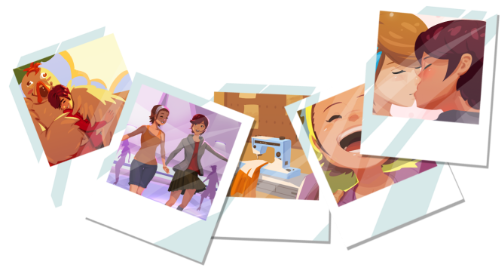
LongStory is back baby! The adorable crew is heading to high school, ready or not. Negotiate a summer fling, handle friend drama and solve YAM (yet another mystery) in the follow-up to Bloom’s first award-winning dating sim.
Enter the Cursed Café. Step into a world where every cup holds a secret and every sip can change a destiny! As the newest Potionista at the Disney Villains Cursed Café, you’ll create enchanted blends for a cast of legendary figures—Cruella de Vil, The Evil Queen, Gaston, Captain Hook, Jafar, Maleficent, and Ursula—all reimagined in a modern, magical world.
Perhaps the most significant change in popular media is the blurring of the line between creator and consumer. In the past, "the media" referred to a handful of massive studios and publishing houses. Now, anyone with a smartphone is a media outlet.
The biggest driver in modern entertainment content is the algorithm. Platforms like Netflix, YouTube, and Spotify use massive amounts of data to predict what we want to see next. This has led to the rise of .
Today, the landscape is fragmented. High-speed internet and mobile technology have turned us into active curators. We no longer wait for a scheduled program; we demand content that fits our specific moods, niches, and schedules. This shift from means that while we have more choices than ever, the "watercooler moments" of the past are becoming increasingly rare. The Power of the Algorithm
Platforms like Instagram, TikTok, and Twitch have democratized entertainment. A teenager in their bedroom can command a larger audience than a traditional cable TV show. This has birthed the , where authenticity and relatability often trump high production values. The Transmedia Storytelling Era
While this ensures we are rarely bored, it also creates "filter bubbles." If an algorithm knows you like a specific genre of action movie, it will keep feeding you similar content, potentially limiting your exposure to diverse perspectives or new artistic styles. Popular media today is as much about data science as it is about creative storytelling. The Rise of User-Generated Content (UGC)
For decades, popular media was a one-way street. Families gathered around the radio or the television set, consuming whatever the major networks decided to air. This "appointment viewing" created a unified cultural language; everyone was watching the same sitcom or news broadcast at the same time.
In the modern age, are more than just a way to kill time—they are the fabric of our social lives . From the serialized dramas of 19th-century newspapers to the algorithmic feeds of TikTok, the way we consume stories has fundamentally shifted, yet our hunger for connection remains the same. The Shift from Passive to Active Consumption
Perhaps the most significant change in popular media is the blurring of the line between creator and consumer. In the past, "the media" referred to a handful of massive studios and publishing houses. Now, anyone with a smartphone is a media outlet.
The biggest driver in modern entertainment content is the algorithm. Platforms like Netflix, YouTube, and Spotify use massive amounts of data to predict what we want to see next. This has led to the rise of . ALSScan.13.08.22.Czech.2013.Casting.Part.3.XXX....
Today, the landscape is fragmented. High-speed internet and mobile technology have turned us into active curators. We no longer wait for a scheduled program; we demand content that fits our specific moods, niches, and schedules. This shift from means that while we have more choices than ever, the "watercooler moments" of the past are becoming increasingly rare. The Power of the Algorithm Perhaps the most significant change in popular media
Platforms like Instagram, TikTok, and Twitch have democratized entertainment. A teenager in their bedroom can command a larger audience than a traditional cable TV show. This has birthed the , where authenticity and relatability often trump high production values. The Transmedia Storytelling Era The biggest driver in modern entertainment content is
While this ensures we are rarely bored, it also creates "filter bubbles." If an algorithm knows you like a specific genre of action movie, it will keep feeding you similar content, potentially limiting your exposure to diverse perspectives or new artistic styles. Popular media today is as much about data science as it is about creative storytelling. The Rise of User-Generated Content (UGC)
For decades, popular media was a one-way street. Families gathered around the radio or the television set, consuming whatever the major networks decided to air. This "appointment viewing" created a unified cultural language; everyone was watching the same sitcom or news broadcast at the same time.
In the modern age, are more than just a way to kill time—they are the fabric of our social lives . From the serialized dramas of 19th-century newspapers to the algorithmic feeds of TikTok, the way we consume stories has fundamentally shifted, yet our hunger for connection remains the same. The Shift from Passive to Active Consumption


Thank you so much for your interest. Please be aware that we are not currently hiring.
When we do hire we almost exclusively hire in Ontario for tax reasons. Because we are a small team, unsolicited emails often don't get answered.
If we are looking for people to join the team we will post on Linked In
and via our newsletter which you can sign up for.