Discogz Blogspot Exclusive //top\\ [TRUSTED]
tValidator is a universal application to scan and validate travel authorizations, eVisas, declarations, government information forms, and tourism passes of participating countries.
 Google Play
  App Store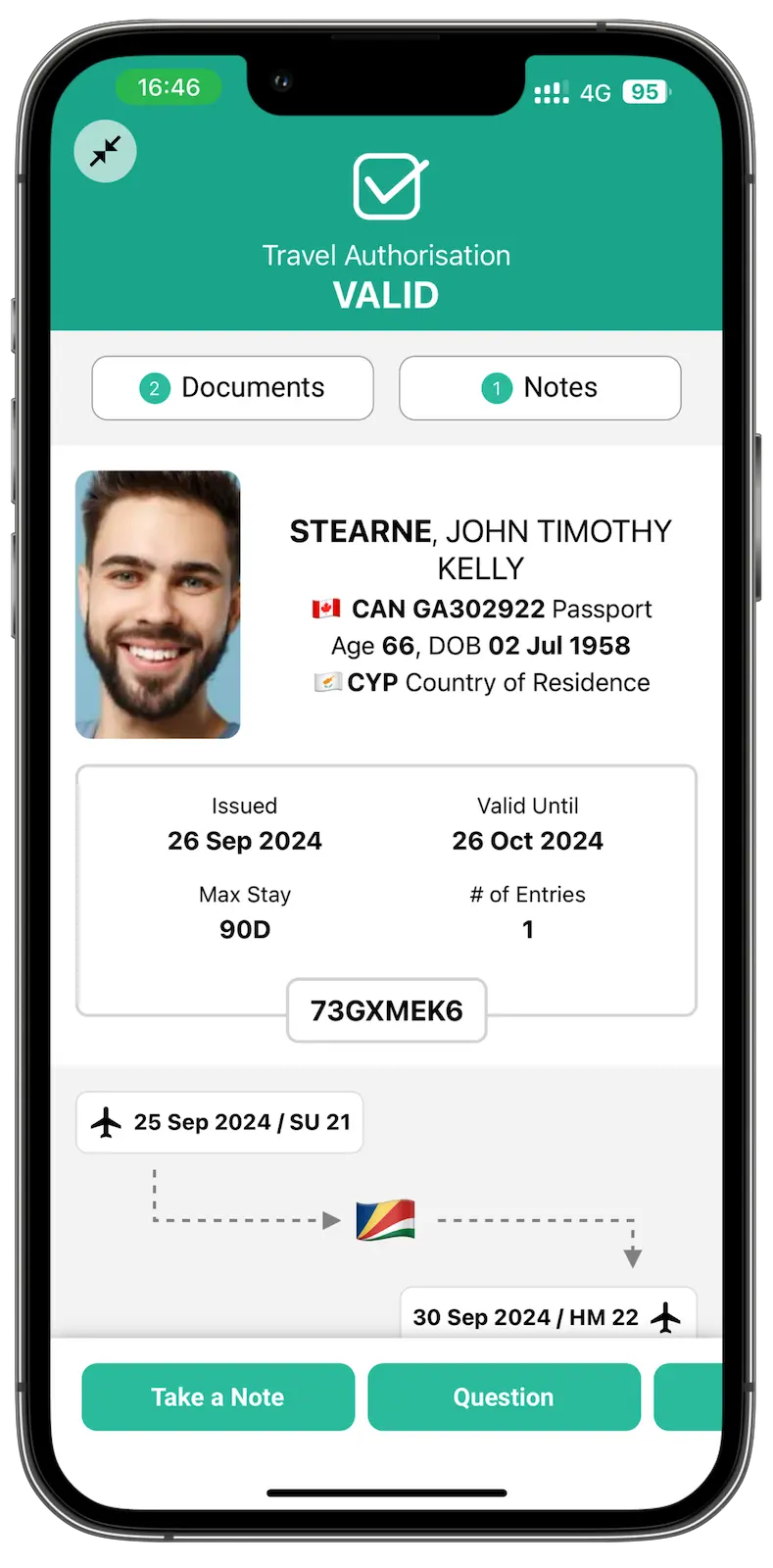
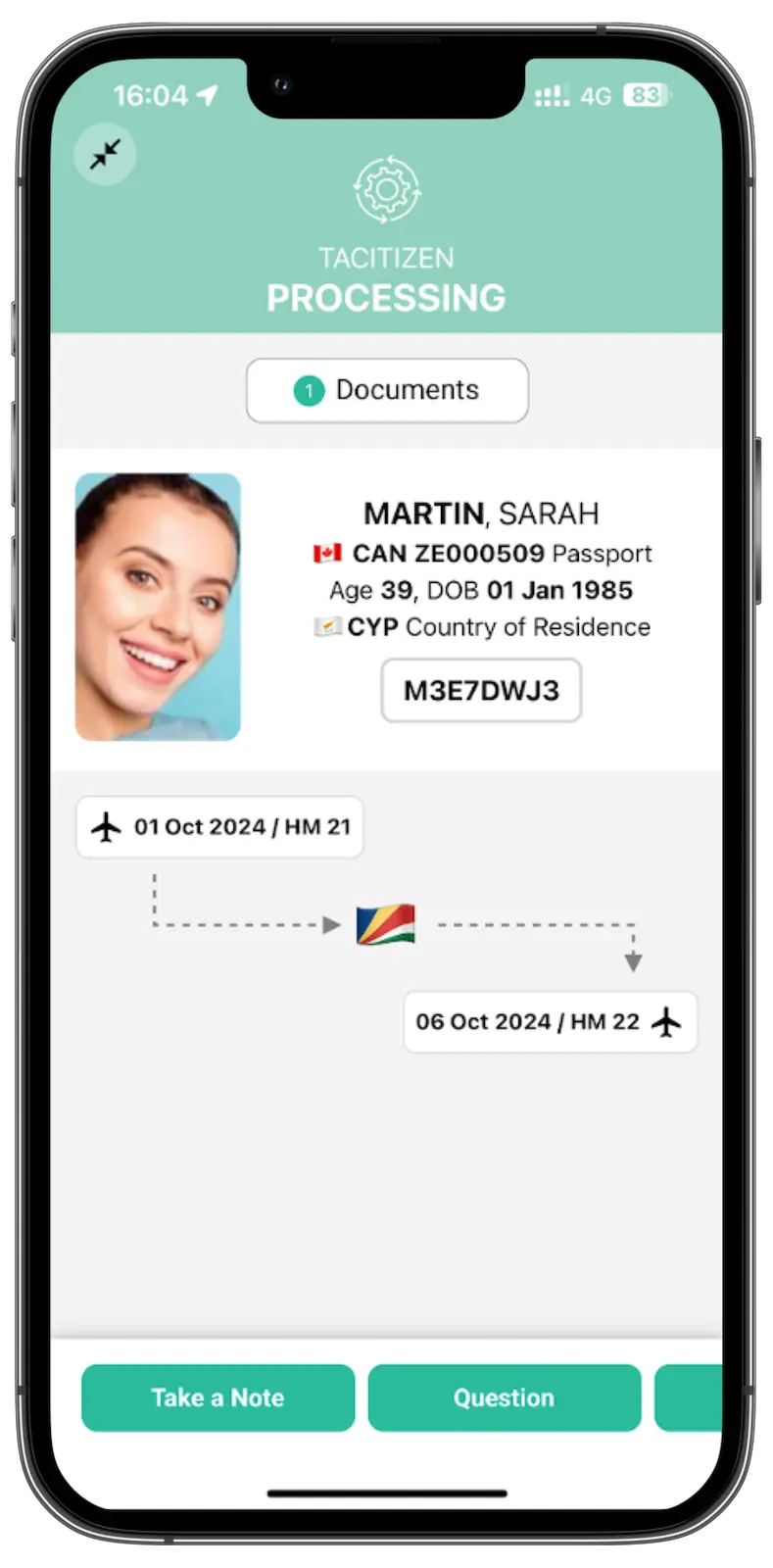
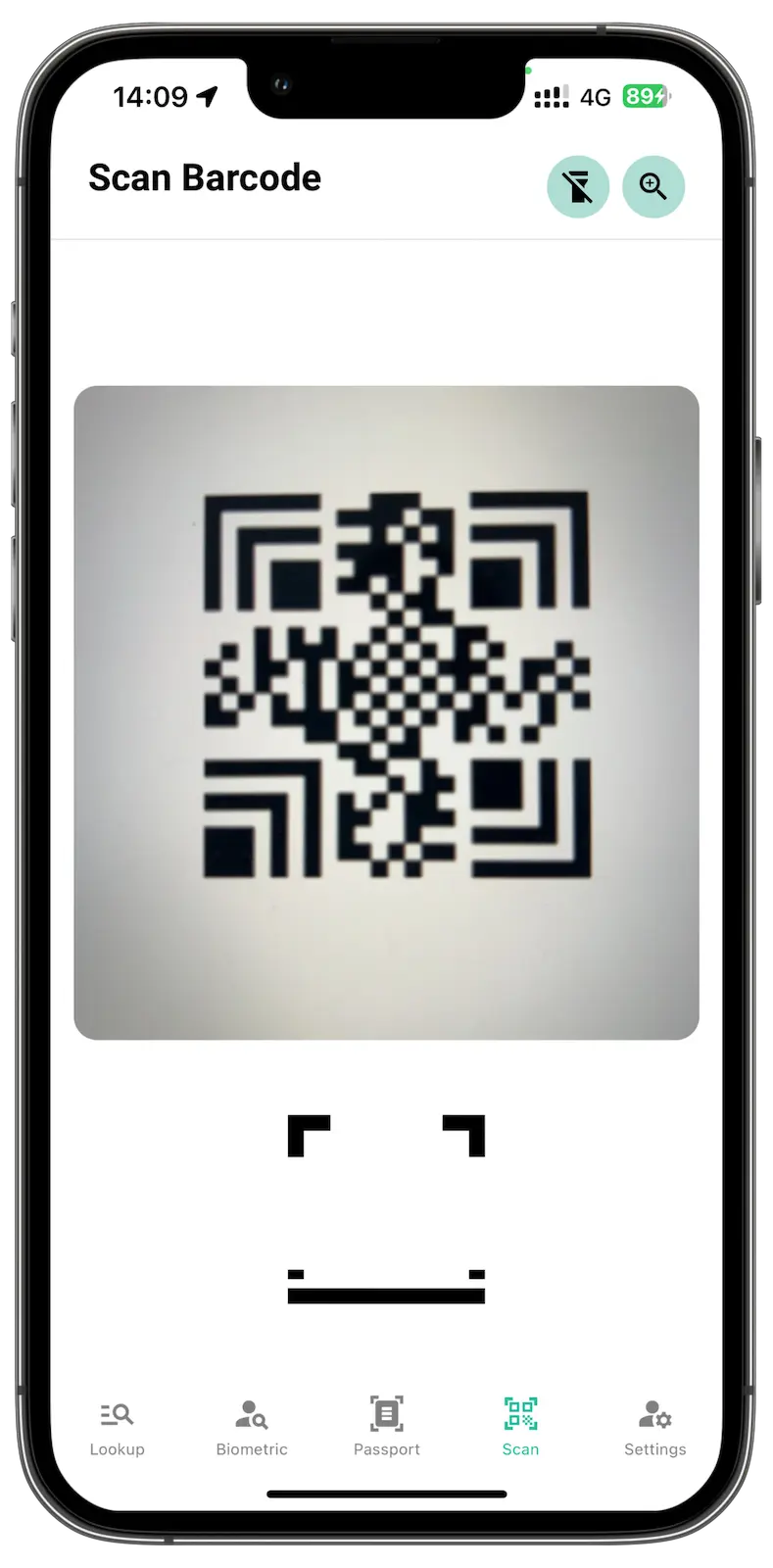


tValidator is a universal application to scan and validate travel authorizations, eVisas, declarations, government information forms, and tourism passes of participating countries.
Today, much of this energy has moved to private trackers, Soulseek, or specialized YouTube channels. However, the legacy of the "discogz blogspot" era remains. It taught a generation of listeners that the best music is often hidden just beneath the surface, waiting for someone to drop the needle and hit "upload." Identifying Authentic Rips
Before Spotify made almost everything available at a click, music discovery was an active hunt. Blogspot became the primary hub for this movement. Passionate collectors would take obscure records from their physical shelves, digitize them, and upload them to file-sharing sites like MediaFire or RapidShare.
If you happen to find an old blog still standing, look for these signs of a "true" exclusive: discogz blogspot exclusive
High-bitrate audio was the gold standard for serious archivists.
The term "discogz" (a play on the massive database Discogs) signaled a level of quality and rarity. A "blogspot exclusive" meant that the specific rip, often complete with high-resolution scans of the album art and liner notes, couldn't be found anywhere else on the web. Why These Blogs Mattered Today, much of this energy has moved to
The comment sections were vibrant hubs where users would help identify "ID-less" tracks or suggest similar rare finds. The Legal and Digital Shift
🚀 Do you want to find a or artist from that era, or Blogspot became the primary hub for this movement
Some blogs focused entirely on 1970s Nigerian Afrobeat. Others curated obscure Soviet-era jazz or 90s Memphis phonk tapes.
Scans of the actual vinyl labels or slightly weathered jacket covers.
The era of the "MP3 blog" was a digital gold rush for music lovers. If you spent any time scouring the internet for rare vinyl rips or out-of-print b-sides in the late 2000s, you likely encountered the phrase discogz blogspot exclusive. It was the hallmark of a specific underground culture where dedicated archivists shared sounds that the mainstream—and even early streaming services—had completely forgotten. The Digital Crate-Digging Phenomenon