Procedural Screenshots of ZOOK AOL Backup Wizard
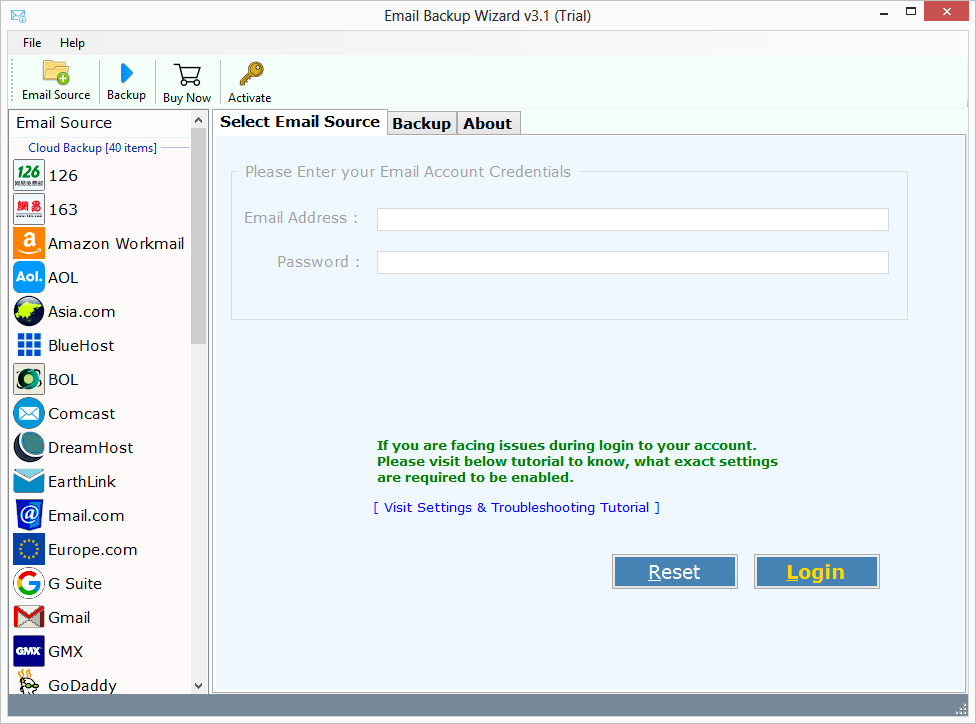
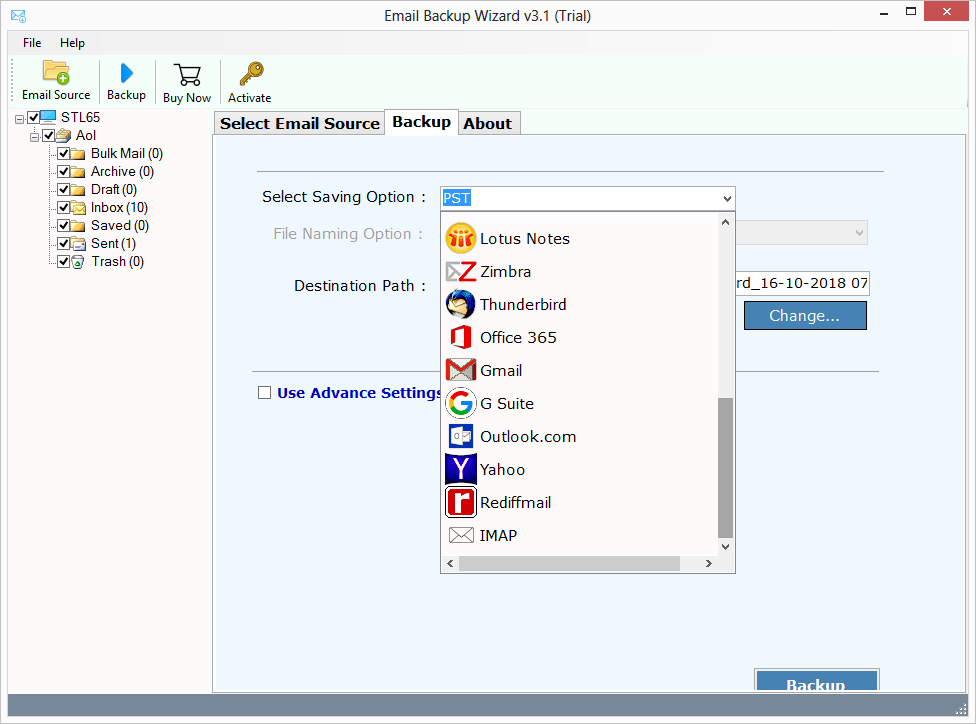
Step 1
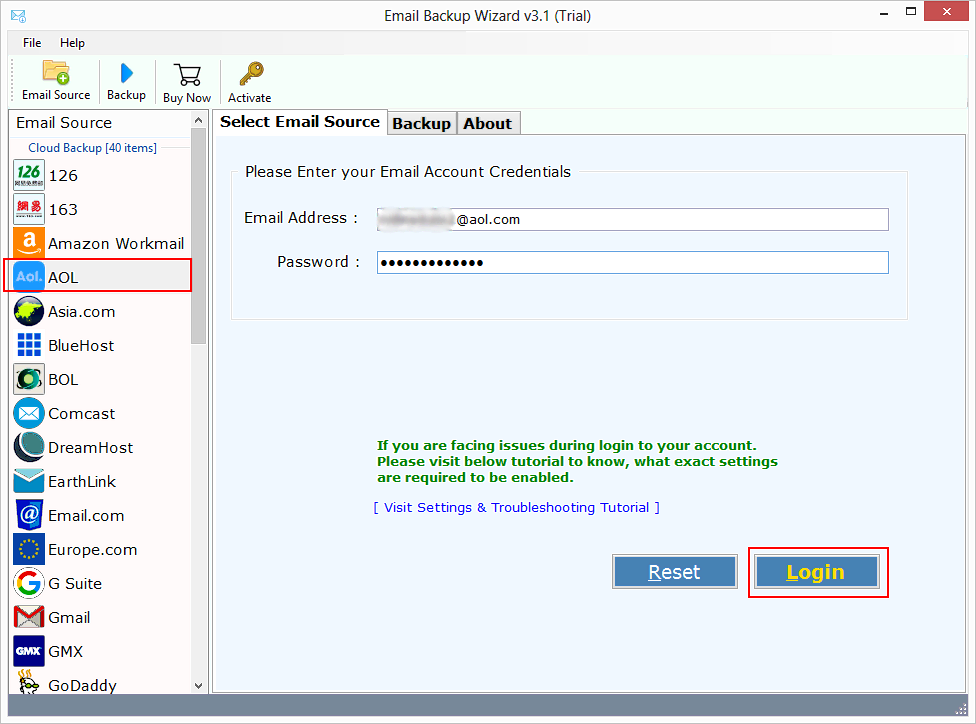
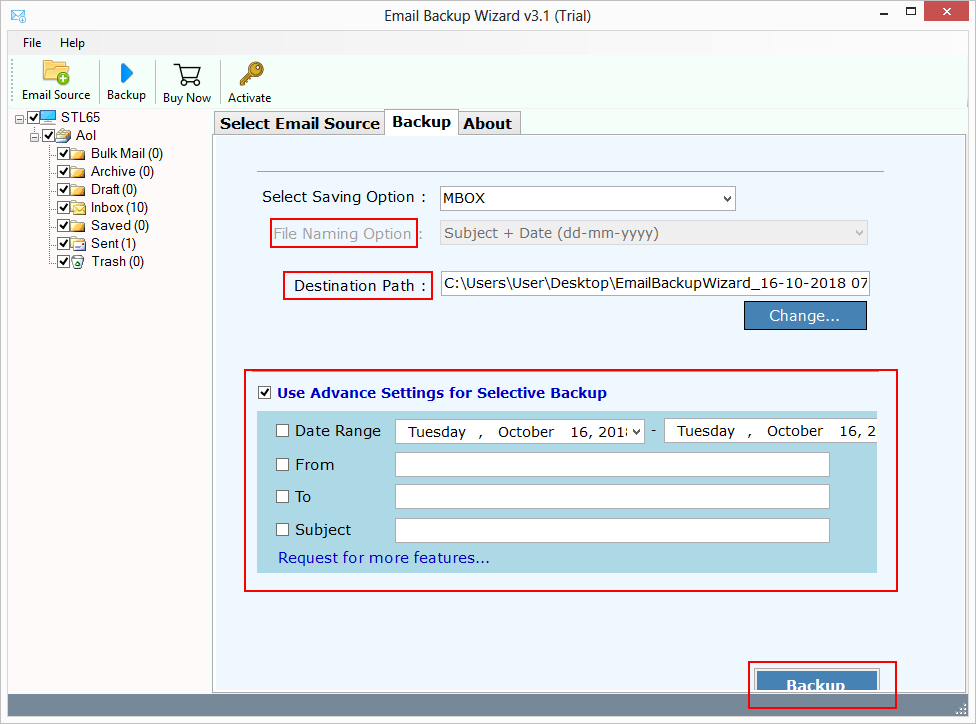
Step 2
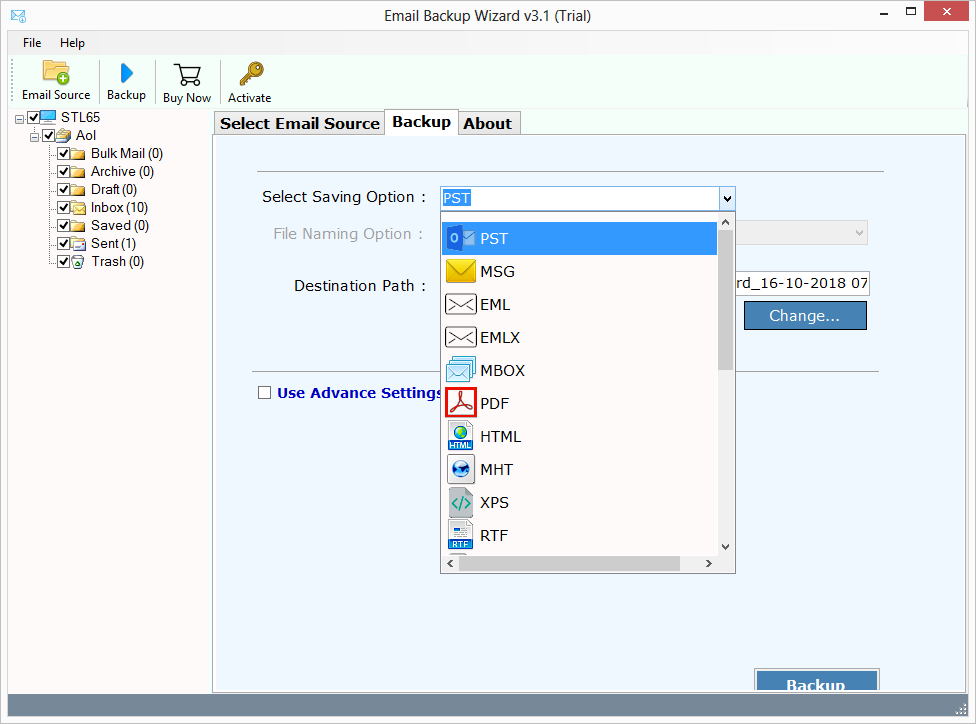
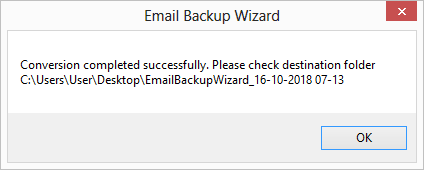
Step 3
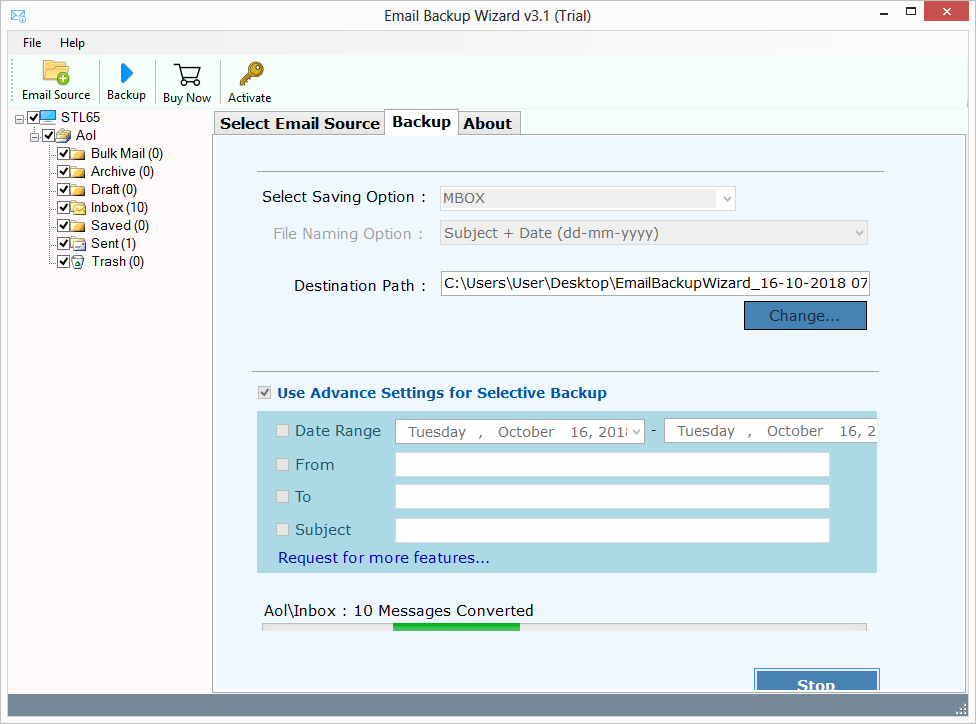
Step 4
If a manufacturer has weak security protocols, hackers can hijack camera feeds. There have been numerous documented cases of "camera-napping," where bad actors gain access to interior cameras, sometimes even using the two-way talk feature to harass residents.
Home security camera systems are powerful tools for safety, but they are not "set it and forget it" devices. They require a conscious trade-off. To truly secure your home, you must secure the data your home produces. By prioritizing encryption, local storage, and ethical placement, you can ensure that your guardian doesn't turn into a spy.
Privacy concerns don’t just stop at your front door; they extend to your neighbors. A camera angled too sharply might capture a neighbor’s backyard or their front windows. This has led to a new wave of "suburban surveillance" friction.
Be a good neighbor. Adjust your cameras to ensure they are focused on your entry points and property line, avoiding neighboring windows or private yards.
Today’s systems are cloud-based and AI-driven. They use facial recognition to tell the difference between a family member and a stranger, infrared sensors to see in total darkness, and high-gain microphones to capture whispers. While these features make us safer, they also mean our most private moments—conversations in the kitchen, routines in the hallway—are being digitized, uploaded to servers, and processed by algorithms. The Risks: Data Breaches and "The Eye in the Cloud"
When your footage is stored on a company’s server, you aren’t the only one who has "access." There is a recurring debate regarding how much access law enforcement should have to private camera networks (such as Amazon’s Ring or Google’s Nest) without a warrant.
Security vulnerabilities are discovered constantly. Ensure your cameras are set to "auto-update" so they always have the latest patches against hackers. The Verdict
The tension between is one of the defining challenges of the IoT (Internet of Things) age. As we surround ourselves with watchful eyes, we must ask ourselves where protection ends and surveillance begins. The Evolution of the Watchful Eye
50% Off Reduced Prices!
Standard License
$199$99
Corporate License
$399 $199
Enterprise License
$599 $299
Step 1
Step 2
Step 3
Step 4
Let's Get Started to Resolve Your Problem...
If a manufacturer has weak security protocols, hackers
They require a conscious trade-off
Compatible With
Pre-Requirements
If a manufacturer has weak security protocols, hackers can hijack camera feeds. There have been numerous documented cases of "camera-napping," where bad actors gain access to interior cameras, sometimes even using the two-way talk feature to harass residents.
Home security camera systems are powerful tools for safety, but they are not "set it and forget it" devices. They require a conscious trade-off. To truly secure your home, you must secure the data your home produces. By prioritizing encryption, local storage, and ethical placement, you can ensure that your guardian doesn't turn into a spy.
Privacy concerns don’t just stop at your front door; they extend to your neighbors. A camera angled too sharply might capture a neighbor’s backyard or their front windows. This has led to a new wave of "suburban surveillance" friction.
Be a good neighbor. Adjust your cameras to ensure they are focused on your entry points and property line, avoiding neighboring windows or private yards.
Today’s systems are cloud-based and AI-driven. They use facial recognition to tell the difference between a family member and a stranger, infrared sensors to see in total darkness, and high-gain microphones to capture whispers. While these features make us safer, they also mean our most private moments—conversations in the kitchen, routines in the hallway—are being digitized, uploaded to servers, and processed by algorithms. The Risks: Data Breaches and "The Eye in the Cloud"
When your footage is stored on a company’s server, you aren’t the only one who has "access." There is a recurring debate regarding how much access law enforcement should have to private camera networks (such as Amazon’s Ring or Google’s Nest) without a warrant.
Security vulnerabilities are discovered constantly. Ensure your cameras are set to "auto-update" so they always have the latest patches against hackers. The Verdict
The tension between is one of the defining challenges of the IoT (Internet of Things) age. As we surround ourselves with watchful eyes, we must ask ourselves where protection ends and surveillance begins. The Evolution of the Watchful Eye
What Clients Says

Superb Tool!!! It is all-in-one tool which offers flexibility to download AOL emails in multiple saving options. As I am a user of AOL webmail from the last 6 years. Now I am seeking to import AOL backup to Outlook, then I got this ZOOK AOL backup wizard on Google without losing any data. This tool really works fine for me!!!
A Big Billion Thank you to ZOOK AOL backup software!!! The tool enables us to save AOL webmail to PC of 85 AOL email accounts. It safely takes a backup of AOL emails to flash drive in 25+ file saving formats. Best tool ever with great performance!!!
Hitting Hard by the tool!! The tool has so much interactive interface which enables a safe and secure backup of AOL webmail. It easily saves AOL emails as PDF format with attachments. Apart from it, we are also capable to save AOL as Doc, HML, MBOX, MSG, etc. Wonderful tool!!
Le logiciel de sauvegarde AOL est un excellent outil qui me permet d’exporter des dossiers de messagerie AOL vers un PC local. L'outil dispose de plusieurs options d'enregistrement pour télécharger les dossiers de courrier électronique AOL tels que PST, MBOX, EML, PDF, HTML, etc., et modifier le courrier électronique.