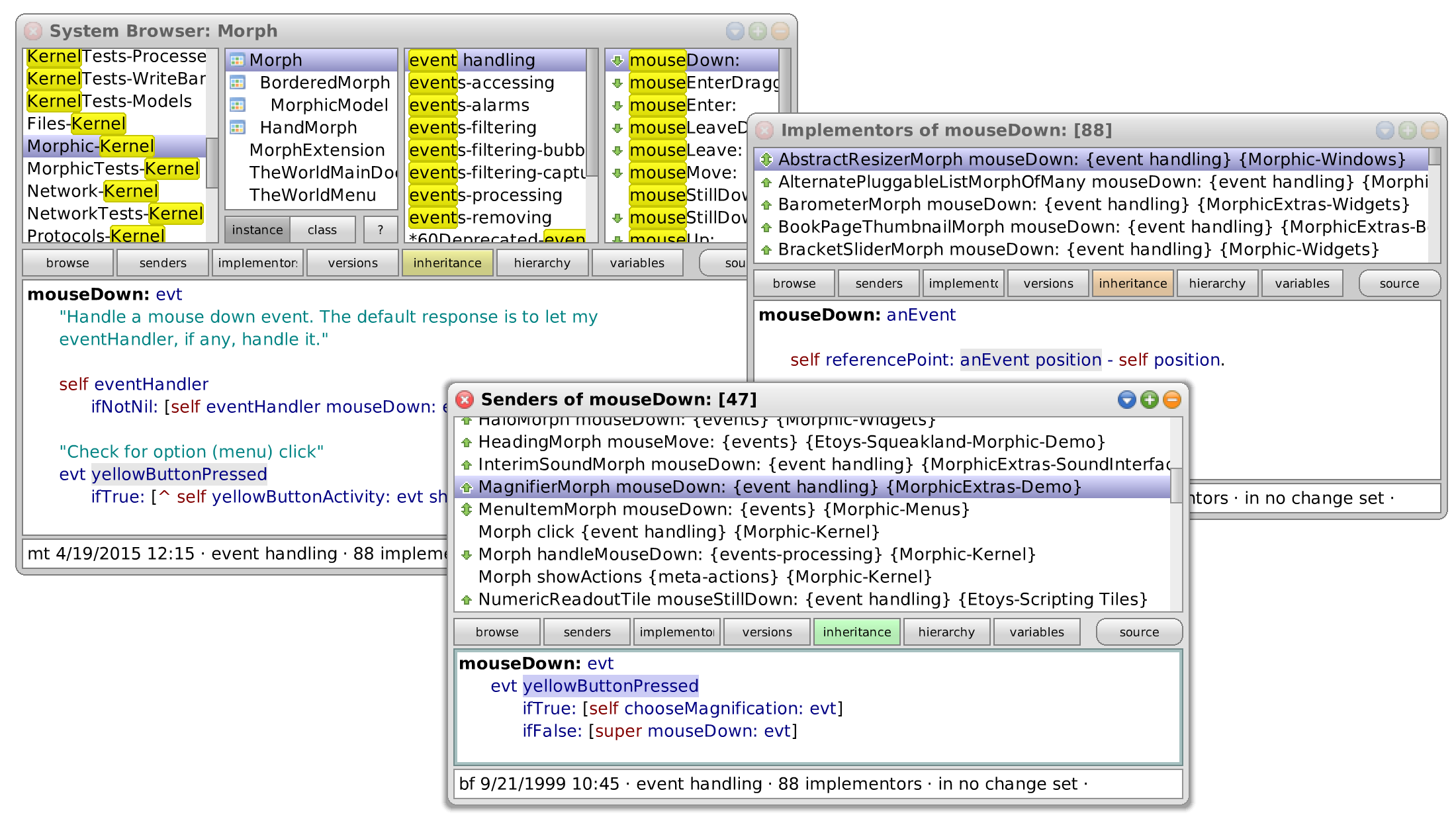
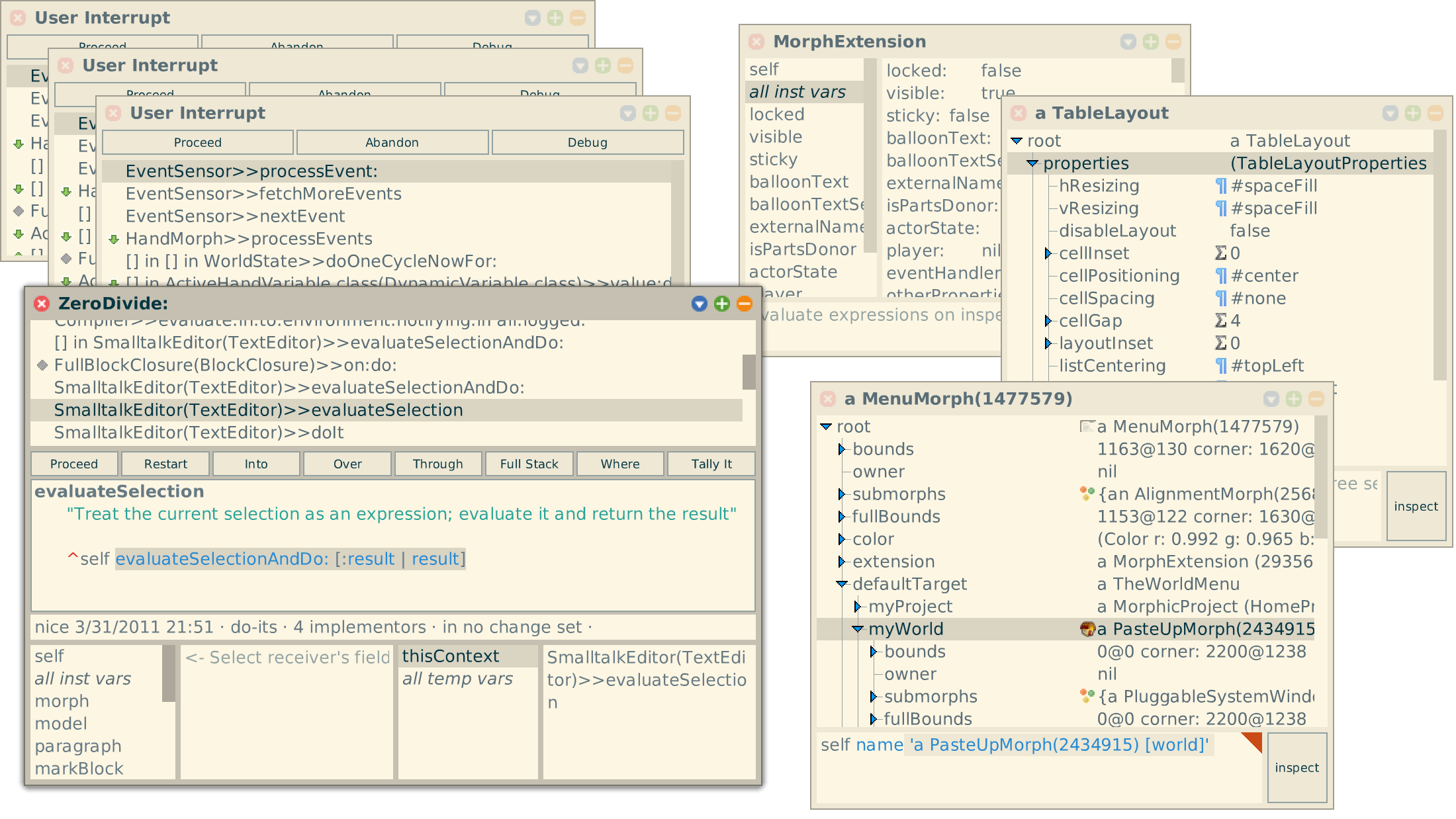
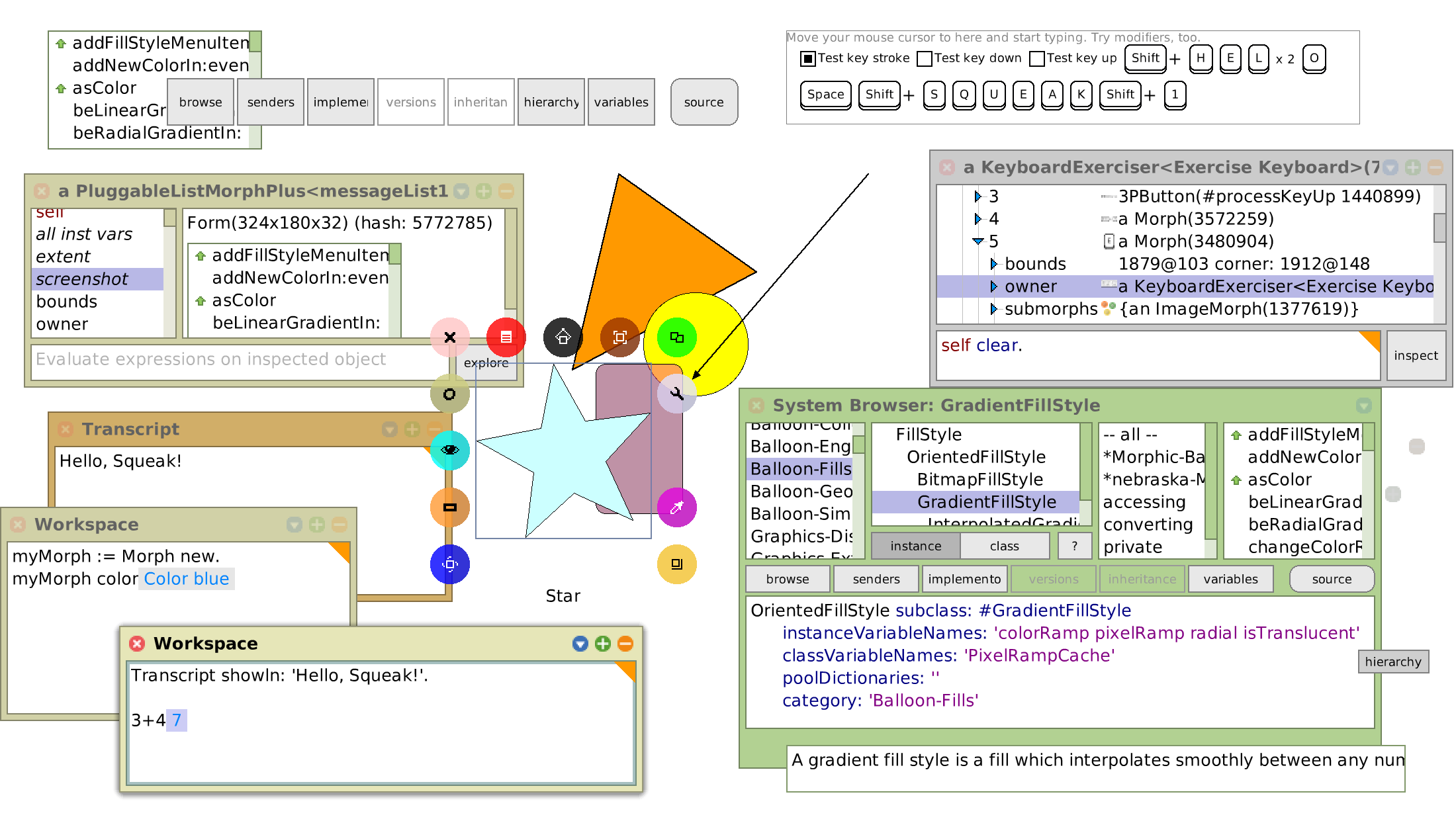
The Squeak community maintains several mailing lists such as for beginners, general development, and virtual machines. You can explore them all to get started and contribute.
The Squeak Oversight Board coordinates the community’s open-source development of its versatile Smalltalk environment.
The Squeak Wiki collects useful information about the language, its tools, and several projects. It’s a wiki, so you can participate!
The Weekly Squeak is a blog that reports on news and other events in the Squeak and Smalltalk universe.
The Squeak Development Process supports the improvement of Squeak—the core of the system and its supporting libraries—by its community. The process builds on few basic ideas: the use of Monticello as the primary source code management system, free access for the developers to the main repositories, and an incremental update process for both developers and users. (Read More)
If you identify an issue in Squeak, please file a bug report here. Squeak core developers regularly check the bug repository and will try to address all problem as quickly as possible. If you have troubles posting there, you can always post the issue on our development list.
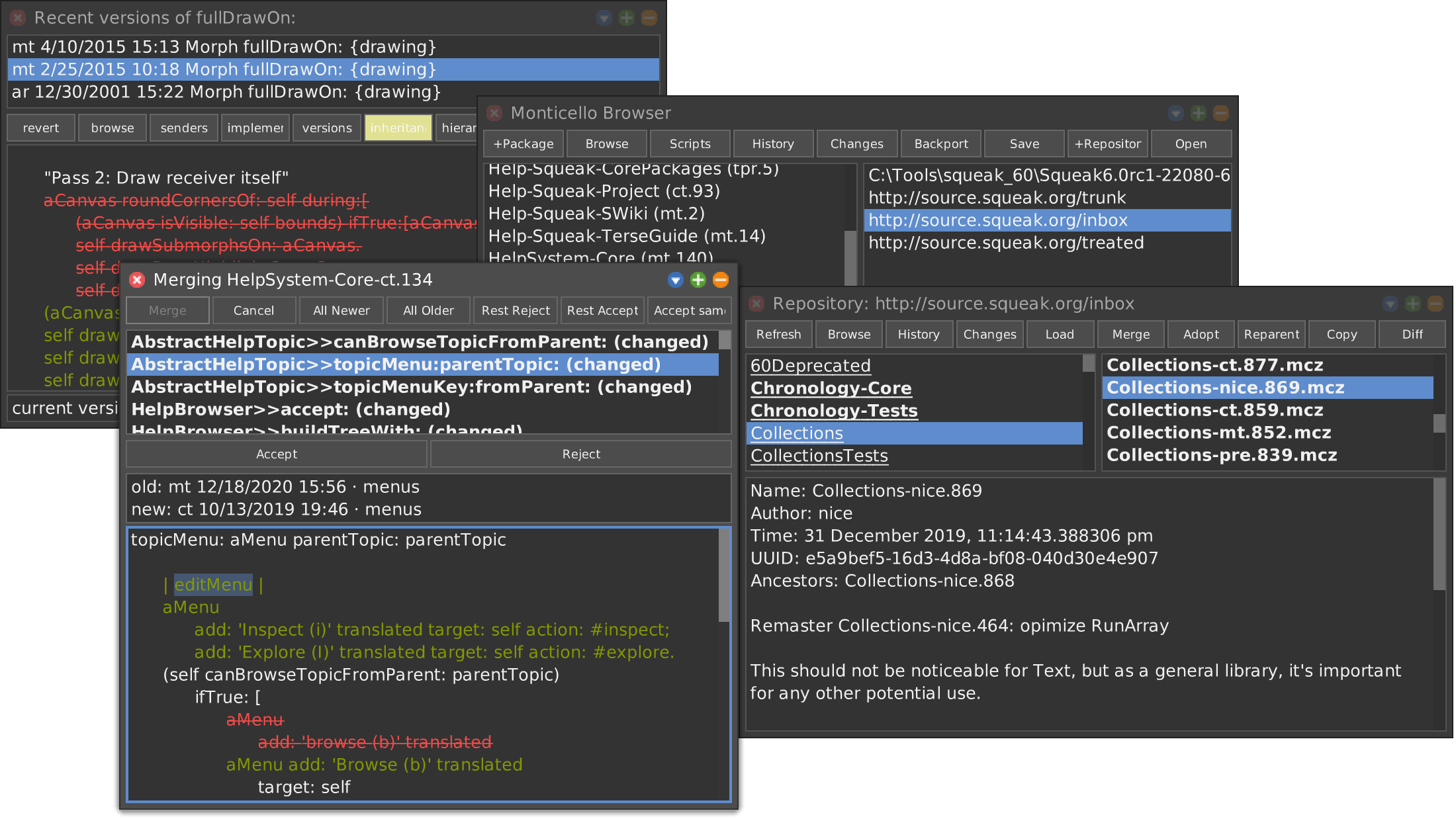
A Monticello code repository for Squeak. Many of our community’s projects are hosted here. Others you may find at SqueakMap or the now retired SqueakSource1.
Using the Git Browser, you can commit and browse your code and changes in Git and work on projects hosted on platforms like GitHub. With Monticello you can read and write FileTree and Tonel formatted repositories in any file-based version control system.
Christoph Thiede and Patrick Rein. 2023. Based on previous versions by Andrew Black, Stéphane Ducasse, Oscar Nierstrasz, Damien Pollet, Damien Cassou, Marcus Denker.
Christoph Thiede and Patrick Rein. 2022. Based on previous versions by Andrew Black, Stéphane Ducasse, Oscar Nierstrasz, Damien Pollet, Damien Cassou, Marcus Denker.
Andrew Black, Stéphane Ducasse, Oscar Nierstrasz, Damien Pollet, Damien Cassou, and Marcus Denker. Square Bracket Associates, 2007.
Mark Guzdial and Kim Rose. Prentice Hall, 2002.
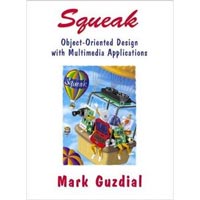
Mark Guzdial. Prentice Hall, 2001.
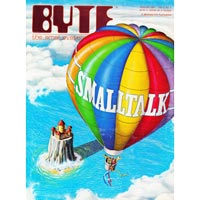
Smalltalk special issue, August 1981.
Downloads come as *.zip, *.tar.gz, or *.dmg archives. On macOS, you must drag the included *.app file out of your ~/Downloads folder to avoid translocation; mv will not work. On Windows, you must confirm a SmartScreen warning since executables are not yet code-signed.
| Version | Support | Link | |
|---|---|---|---|
| macOS (unified) | 6.0 | ||
| Windows (x64) | 6.0 | ||
| Linux (x64) | 6.0 | ||
| Linux (ARMv8) | 6.0 | ||
| All-in-One (64-bit) | 6.0 | ||
| 32-bit Bundles | 6.0 | ||
| Try in browser (slow) | 6.0 |
❤️ Please help us keep our infrastructure up and running, which includes this website, our mailing lists, and code repositories. Donate here… ❤️
You can always take a look at the progress in the latest alpha version (aka. Trunk). Feel free to contribute to the next Squeak release with commits to the inbox. Alpha versions are not expected to be stable. All bundles (i.e., image + sources + vm) whose filename contains a YYYYMMDDhhmm token include the last stable VM. Some Trunk features might benefit from the latest VM (aka. nightly build), which can be downloaded from the OpenSmalltalk-VM repository on GitHub.
| Link | |
|---|---|
| Trunk Image (and Bundles) | |
| OpenSmalltalk VMs (latest, fast) | |
| OpenSmalltalk VMs (latest, debug) |
For digital viewers, the "full" resolution version usually refers to one of several modern remasters. While 720p was a common standard for early digital distribution, modern collectors often debate between the and the 4K Ultra HD editions: LUPIN THE 3rd: The Castle of Cagliostro - GKIDS Films
What begins as a search for counterfeit plates evolves into a daring rescue mission involving Lupin’s usual crew—the stoic swordsman and the elusive Fujiko Mine —while they are pursued by Lupin’s lifelong nemesis, Inspector Zenigata . Unlike other entries in the franchise, Miyazaki portrays Lupin as a more noble, "heroic" figure, a departure from his usual lecherous and ruthless criminal roots. Technical Legacy and Visual Style
Lupin III: The Castle of Cagliostro (1979) is widely celebrated as one of the most influential anime films in history, marking the feature-film directorial debut of legendary filmmaker Hayao Miyazaki . For fans seeking the best viewing experience, understanding the nuances of its various modern releases—ranging from 720p and 1080p high-definition to 4K Ultra HD—is essential for capturing the film's hand-painted beauty. The Story: A Master Thief’s Most Noble Caper lupin iii castle of cagliostro 720p resolution full
Every frame was hand-drawn and animated on 35mm photochemical film.
Produced by , the film was a massive undertaking for its time with a budget of approximately ¥500 million, making it the most expensive anime film of its era. For digital viewers, the "full" resolution version usually
The film follows the gentleman thief after a successful heist at a Monte Carlo casino turns sour when he discovers the loot is high-quality counterfeit "Goat Bills". His quest for revenge leads him to the small European principality of Cagliostro, where he and his partner, Jigen, quickly find themselves rescuing a runaway bride, Princess Clarisse , from the clutches of the villainous Count Cagliostro.
Miyazaki personally handled the screenwriting, character design, and storyboards, infusing the film with his signature obsession with mechanical detail (seen in Lupin's iconic Fiat 500 ) and vast, whimsical landscapes. Technical Legacy and Visual Style Lupin III: The
The film was designed for a theatrical 1.85:1 aspect ratio . Mastering Quality: 720p vs. 1080p vs. 4K
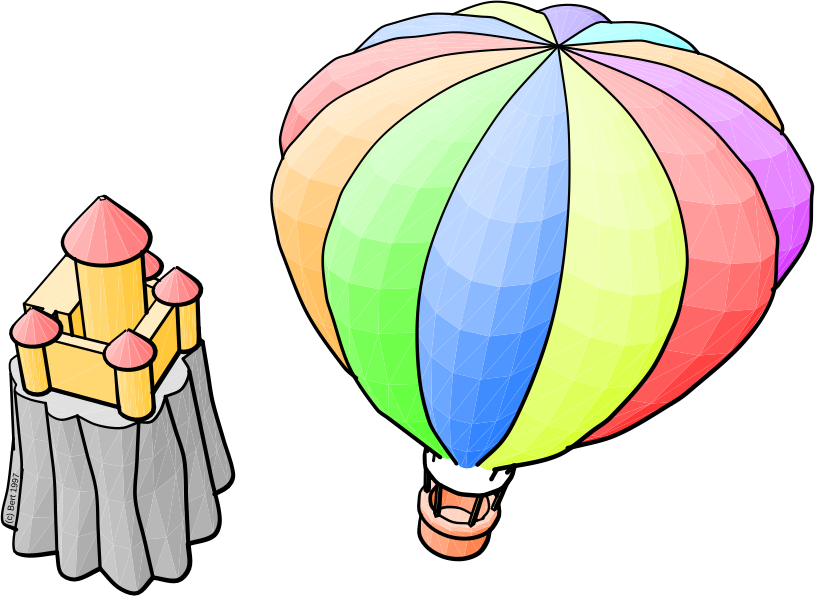
An implementation of Babelsberg allowing constraint-based programming in Smalltalk.
[Quick Install]A collaborative, live-programming, audio-visual, 3D environment that allows for the development of interactive worlds.
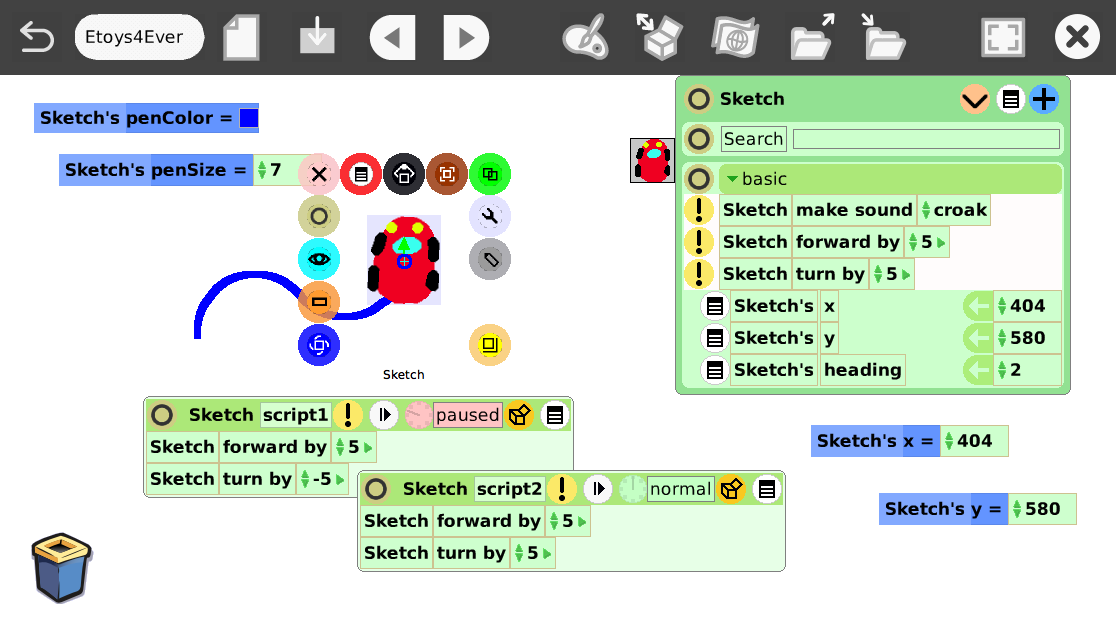
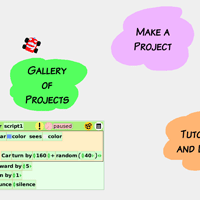
A media-rich authoring environment with a simple, powerful scripted object model for many kinds of objects created by end-users that runs on many platforms.
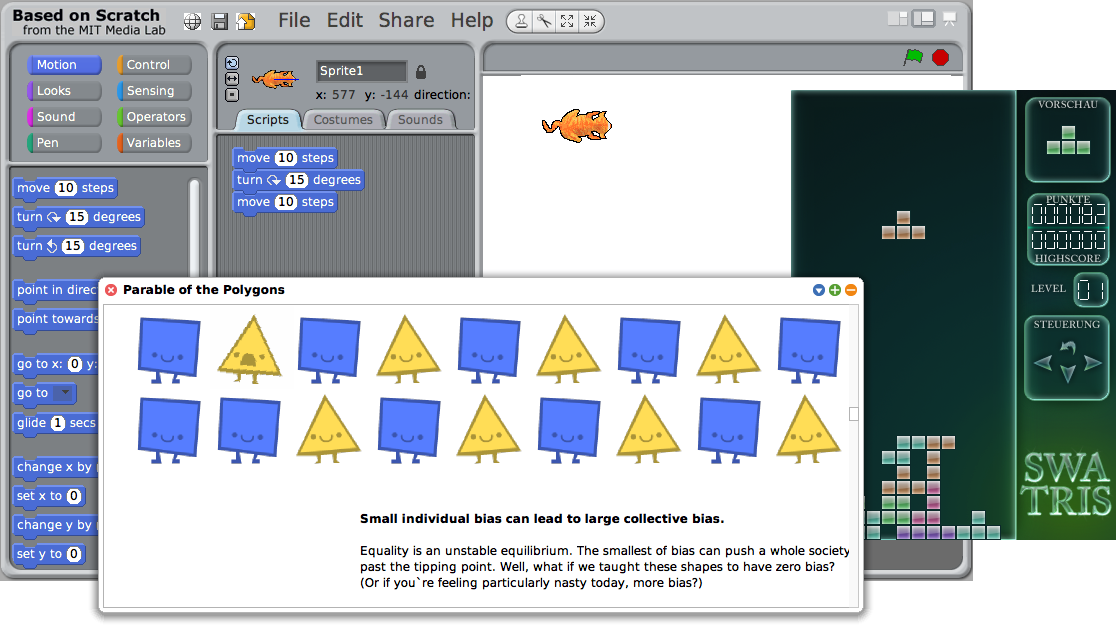
Scratch lets you build programs like you build Lego(tm) - stacking blocks together. It helps you learn to think in a creative fashion, understand logic, and build fun projects. Scratch is pre-installed in the current Raspbian image for the Raspberry Pi.