



Nds-bios-arm7.bin May 2026

Speaky is a free language exchange platform that allows you to learn languages from native speakers and make new friends around the world. Join our community and start your language learning journey today!

Inside the Speaky Community

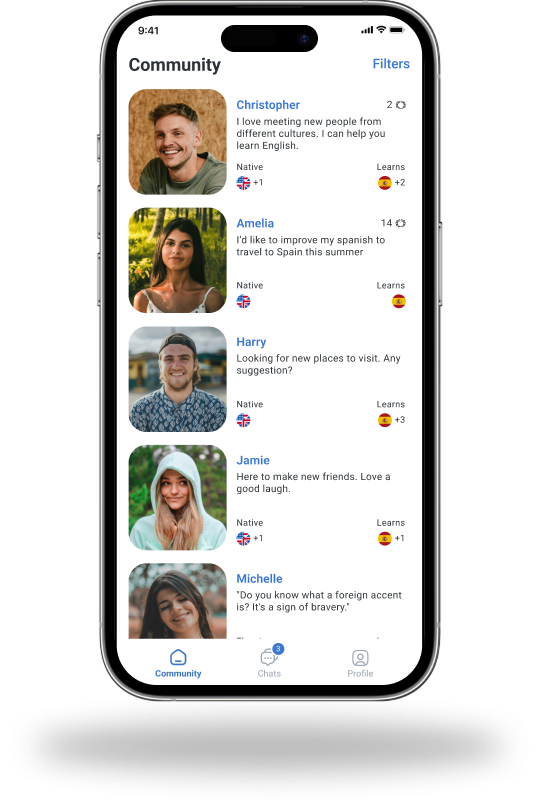
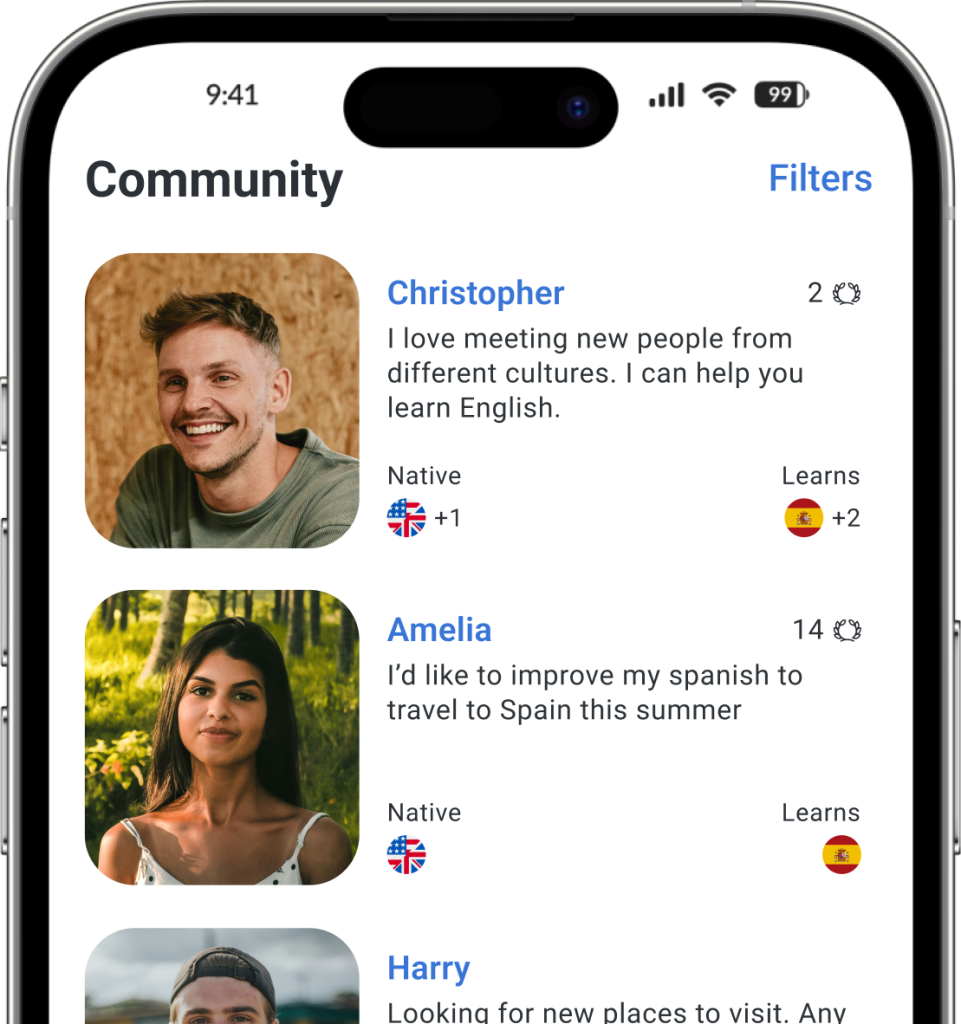
Join the community of 5 million language learners who have achieved success with Speaky and connect with native speakers to immerse yourself in a world of cultural experiences.

Explore the world with Speaky's app!

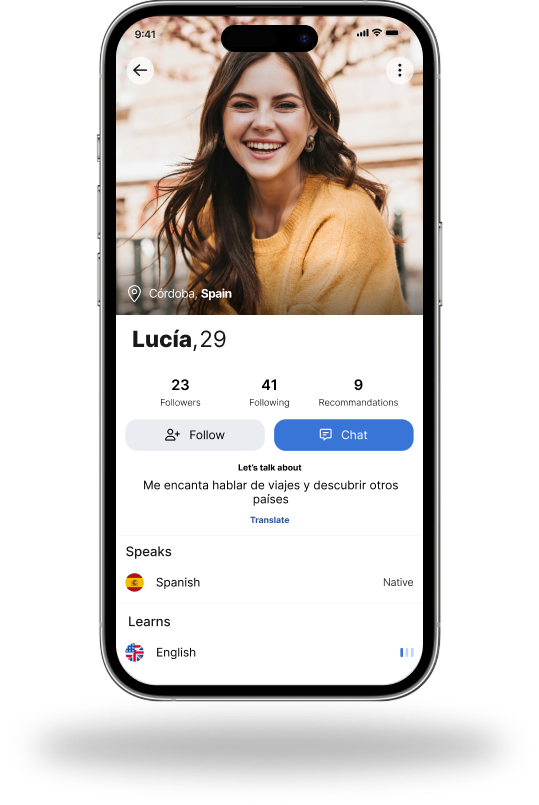
Meet new people and find the perfect language partner for you

It’s not just about finding language partners; it’s about creating meaningful connections with people who share the same interests and goals as you.

Nds-bios-arm7.bin

Speaky makes language learning and cultural exchange accessible to everyone. 

Nds-bios-arm7.bin

The world at your fingertips

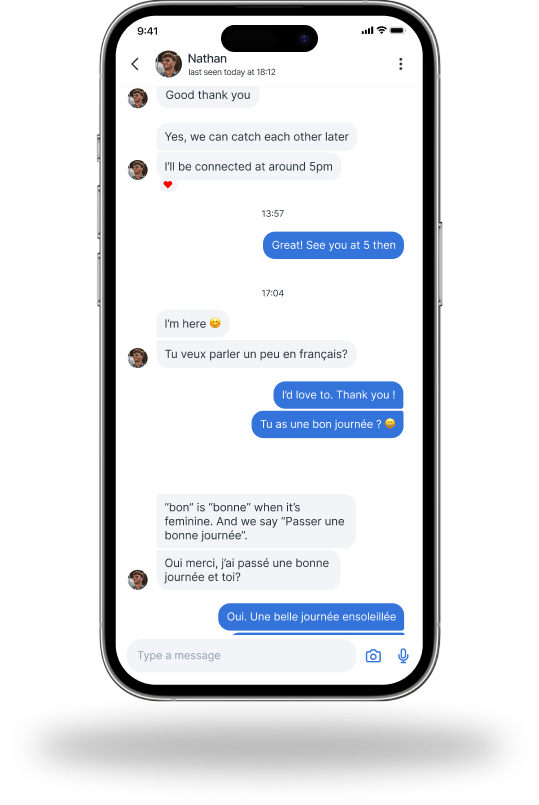
Take the whole world with you, anywhere, anytime, as you connect with language partners around the globe, breaking down learning barriers.

Boost proficiency through practice

Practice speaking, writing, and listening with your language partners to improve your language skills.

Nds-bios-arm7.bin

Explore our blog and expand your knowledge

Nds-bios-arm7.bin May 2026

It is important to address the legalities surrounding Nds-bios-arm7.bin. This file is copyrighted software owned by Nintendo.

The BIOS acts as the "handshake" between the hardware and the software. It contains the instructions the console needs to boot up, initialize the hardware components, and start running game code. Without the ARM7 BIOS, an emulator cannot accurately replicate how a real DS handles audio and low-level system communication. Why Do Emulators Need This File?

Using these files enables the iconic DS boot animation and ensures the highest level of compatibility across the entire library of games. The Legal Landscape of BIOS Files Nds-bios-arm7.bin

The Nds-bios-arm7.bin file is a small but vital piece of the Nintendo DS puzzle. While high-level emulation allows many to skip this step, those seeking the most authentic, stable, and accurate experience will always turn to the original BIOS. By understanding its role in managing the ARM7 processor’s tasks, you can better appreciate the complex engineering required to bring classic handheld gaming to modern screens.

Modern emulators have become incredibly advanced. Many now feature "High-Level Emulation" (HLE), which attempts to simulate the BIOS functions using custom code. This allows you to play games without needing external BIOS files. It is important to address the legalities surrounding

Accessing these files from "abandonware" or ROM websites is generally considered a violation of copyright law in most jurisdictions.

Uncheck if you want to use HLE, or check it to use your files. It contains the instructions the console needs to

A genuine ARM7 BIOS file is exactly 16 KB (16,384 bytes). If your file is a different size, it is likely corrupt or a different system component.


Start your language learning journey today!

Improve your language skills while making meaningful connections with real people around the world. Turn each conversation into a personalized learning experience, tailored to your goals.

Download the app and unlock a world of conversations!

Frequently Asked Questions (FAQ)

Nds-bios-arm7.bin

It is important to address the legalities surrounding Nds-bios-arm7.bin. This file is copyrighted software owned by Nintendo.

The BIOS acts as the "handshake" between the hardware and the software. It contains the instructions the console needs to boot up, initialize the hardware components, and start running game code. Without the ARM7 BIOS, an emulator cannot accurately replicate how a real DS handles audio and low-level system communication. Why Do Emulators Need This File?

Using these files enables the iconic DS boot animation and ensures the highest level of compatibility across the entire library of games. The Legal Landscape of BIOS Files

The Nds-bios-arm7.bin file is a small but vital piece of the Nintendo DS puzzle. While high-level emulation allows many to skip this step, those seeking the most authentic, stable, and accurate experience will always turn to the original BIOS. By understanding its role in managing the ARM7 processor’s tasks, you can better appreciate the complex engineering required to bring classic handheld gaming to modern screens.

Modern emulators have become incredibly advanced. Many now feature "High-Level Emulation" (HLE), which attempts to simulate the BIOS functions using custom code. This allows you to play games without needing external BIOS files.

Accessing these files from "abandonware" or ROM websites is generally considered a violation of copyright law in most jurisdictions.

Uncheck if you want to use HLE, or check it to use your files.

A genuine ARM7 BIOS file is exactly 16 KB (16,384 bytes). If your file is a different size, it is likely corrupt or a different system component.