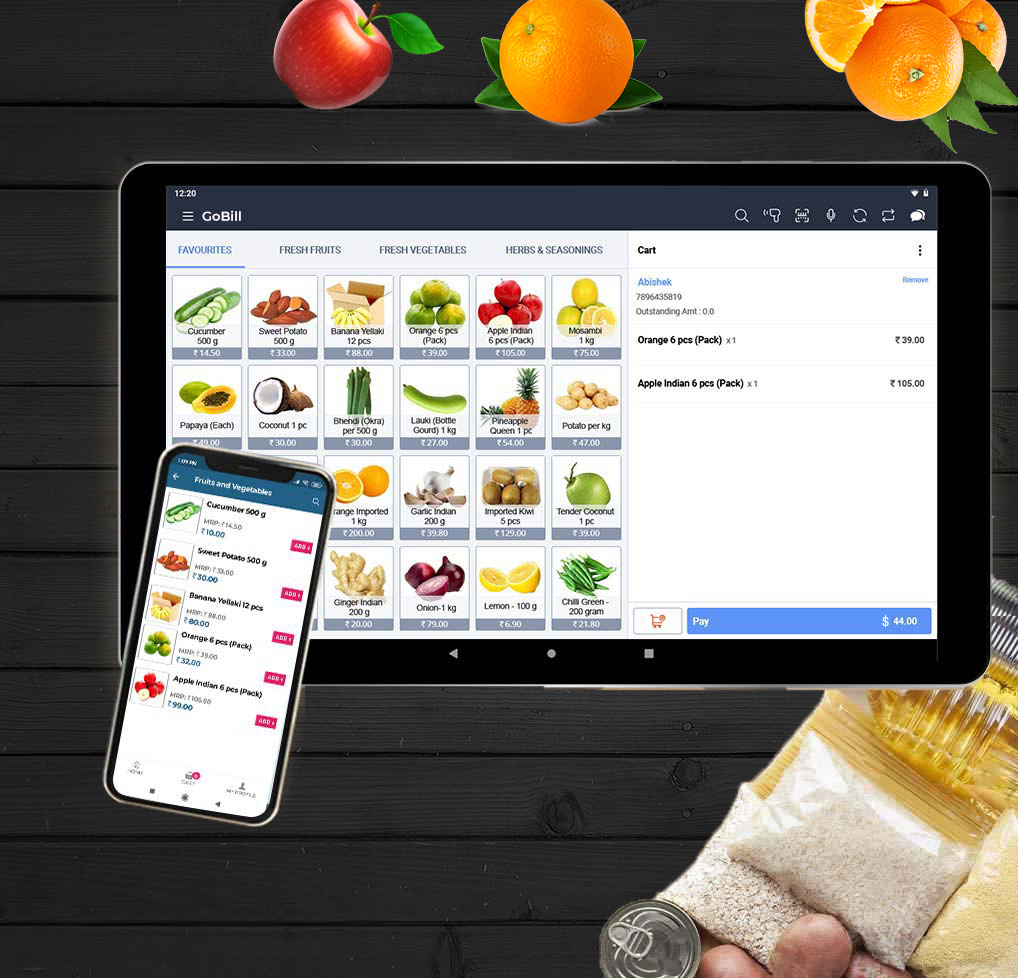
Higher inventory turnover, lower operating cost
Know moreBeautiful front end for complex backend operations & analytics
Know moreIntuitive touch screen with multi-language support radio and radar astronomy projects for beginners pdf
Experience nowEasy & quick setup, secured offline, easily scale up
Know morePayment, Loyalty, Bio-metric, Accounts
Know moreCRM Loyalty (64 offers) / Cloud SMS / E-mail Alerts To start your journey, you don't need a
Know moreStandard, Assembly, Reorder, Repacking, Kit, Home delivery
Know moreFix margins based on Supplier or Product/Landing cost calculation
Know more
: A small, affordable USB device that connects to your computer to tune into specific frequencies.
Radio and radar astronomy are fascinating fields that allow you to explore the universe beyond what the human eye can see. While professional observatories use massive dishes, beginners can start with accessible tools like and DIY antennas to detect signals from the Sun, Jupiter, and even meteors. 1. Essential Gear for Beginners
: Programs like SDR# (SDRSharp) or Radio-SkyPipe help visualize and record the signals.
: Options range from a repurposed satellite TV dish to a simple dipole antenna made from two pieces of wire (about 1.5 meters each).
To start your journey, you don't need a professional-grade observatory. Most beginner projects can be completed with a few core components:
: An optional but recommended tool to boost weak signals from distant sources like the Milky Way. 2. Top Radio Astronomy Projects
These projects are excellent starting points for those using introductory guides like the ALMA Radio Astronomy Manual (PDF) or the Radio JOVE Project . RADIO ASTRONOMY MANUAL - ALMA at School - ESO.org

: A small, affordable USB device that connects to your computer to tune into specific frequencies.
Radio and radar astronomy are fascinating fields that allow you to explore the universe beyond what the human eye can see. While professional observatories use massive dishes, beginners can start with accessible tools like and DIY antennas to detect signals from the Sun, Jupiter, and even meteors. 1. Essential Gear for Beginners
: Programs like SDR# (SDRSharp) or Radio-SkyPipe help visualize and record the signals.
: Options range from a repurposed satellite TV dish to a simple dipole antenna made from two pieces of wire (about 1.5 meters each).
To start your journey, you don't need a professional-grade observatory. Most beginner projects can be completed with a few core components:
: An optional but recommended tool to boost weak signals from distant sources like the Milky Way. 2. Top Radio Astronomy Projects
These projects are excellent starting points for those using introductory guides like the ALMA Radio Astronomy Manual (PDF) or the Radio JOVE Project . RADIO ASTRONOMY MANUAL - ALMA at School - ESO.org