
* THESE NOTES ARE CURRENTLY UNDER DEVELOPMENT AND ARE NOT 100% ACCURATE *
All images, text, JavaScript and HTML Code ©1995- by llamamusic.com
This web browser utility reads D‑10 Bulk Dump *.SYX files from a computer, tablet or smartphone and displays all Patch & Tone names. It was designed to create Patch and Tone listings from all of my Roland and third‑party PCM cards (PN‑D10‑03, Valhala, Best Choice, Voice Crystal, etc...) and various D‑10 SysEx files downloaded from the Internet. The method used is to LOAD ALL from a PCM card or RAM Memory Card into Internal Memory and then perform a BULK DUMP (Dump One Way ‑ All) on the D‑10 to create a valid SysEx file. Likewise, you can also load D‑5/10/20/110 SysEx files into the D‑10, perform a BULK DUMP and save SysEx files which can then be read by this utility. This utility will not work with any SysEx files previously created on a D‑5, D‑10, D‑20 or D‑110 synth (unless it was saved on a D‑10 using BULK DUMP (Dump One Way ‑ All)
Version 1.0(a) - 12/31/2023
     • Initial Release
Version 1.1 - 02/22/2024
     • Fixed a bug which was not displaying "Less Than" and "Greater Than" characters for Patch and Tone Names ("<" and ">")
Notes About D‑10 SysEx Bulk Dump Files & Synth Structure
- As you have probably noticed, there are several D‑10 SysEx files to be found on the Internet. Not all of these files will load correctly into the D‑10. Likewise, not all of these files will work with this utility. This utility is designed to work only with D‑10 SysEx files created using the BULK DUMP (Dump One Way ‑ All) method. This utility is able to tell the difference between SysEx file structures when you load them. The size of a Dump One Way ‑ All file is ~44KB
- There are a few D‑10 Patch banks in a *.ZIP file at this link which you can use to test the program, all saved as BULK DUMP (Dump One Way ‑ All)
 D-10_Reader_SysEx_Test_Files.zip
- SysEx files created on a D‑110 will load on a D‑10 but only 128 Tones will be loaded. No Patch info will be transferred. This is because D‑10 Performance Patches, Rhythm Patterns and Rhythm Tracks are not compatible with the D‑110. Keep this in mind when working with D‑110 files on a D‑10 because the Patch columns will have generic or blank enteries

- When using this utility on a Mac system, to speed up the load process, open a Finder window and search for all *.SYX files. Drag one file at a time from the Finder window directly onto the "Choose File (Safari/Chrome)" or "Browse (FireFox)" button in this browser utility. The file will then be read automatically without having to drill down and search through several directories (click for larger image)
D-10 Architecture
P A T C H E S
There are a total of 128 user editable Patches on the D‑10. The settings you can change in Patches are:
Patch Name - Reverb - Assign Mode - Panning - Tone Select - Tuning - Split Point - Bender Range & more
When you load a SysEx file, these 128 user Patches are overwritten with whatever data is contained in the SysEx file
T I M B R E S
There are a total of 128 preset Timbres on the D‑10. The settings you can change in Timbres are:
Tone Select - Fine Tuning - Reverb Switch - Assign Mode - Bender Range - Key Shift
When you load a SysEx file, these 128 Timbre settings are overwritten with whatever data is contained in the SysEx file
T O N E S (User Editable)
There are a total of 64 user editable Tones on the D‑10. The parameters you can change in Tones are:
Common Parameters (Envelopes, LFO's, Frequency, etc...) - PCM Waveform - Structure - Tone Name & more
When you load a SysEx file, these 64 user Tones are overwritten with whatever data is contained in the SysEx file
T O N E S (Preset Internal)
There are a total of 128 preset internal Tones on the D‑10. These are hard coded on IC12 and cannot be edited (ROM)
When you load a SysEx file, these 128 preset internal Tones are unaffected
M E N U D I V I N G
While scrolling through the menus on the LCD, you will notice different prefixes in front of the various sound names
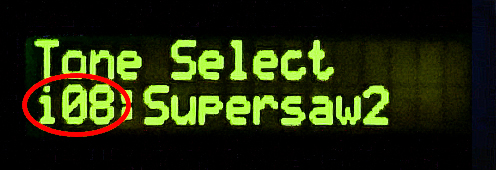
       i08 = User Editable Tone #08     (RAM) / Bank i  (Bank i Tones can be edited and/or overwritten by a SysEx file)
     I-A36 = User Editable Patch #36    (RAM) / Bank A  (Bank A Patches can be edited and/or overwritten by a SysEx file)
     I-B84 = User Editable Patch #84    (RAM) / Bank B  (Bank B Patches can be edited and/or overwritten by a SysEx file)
       a46 = Preset Internal Tone #46   (ROM) / Bank a  (Bank a Tones can not be edited and/or overwritten by a SysEx file)
       b17 = Preset Internal Tone #17   (ROM) / Bank b  (Bank b Tones can not be edited and/or overwritten by a SysEx file)
       r59 = Preset Internal Rhythm #59 (ROM) / Bank r  (Bank r Rhythms can not be edited and/or overwritten by a SysEx file)
Questions & Answers
Zooskool Vixen Playdate 1 Cracked |top| [WORKING]
The integration of behavior into veterinary science serves three primary purposes: 1. Reducing Stress and Fear-Free Care
We are entering an era where technology is enhancing the vet’s ability to "read" behavior. Wearable technology—similar to fitness trackers for humans—can now monitor an animal’s sleep patterns, scratching frequency, and activity levels. In the near future, AI algorithms will likely assist veterinary scientists in predicting illness based on subtle behavioral deviations long before physical symptoms appear. Conclusion zooskool vixen playdate 1 cracked
For endangered species in captivity, veterinary science uses behavioral enrichment to mimic natural environments. This is crucial for successful breeding programs and the eventual reintroduction of species into the wild. The Future: AI and Behavioral Diagnostics The integration of behavior into veterinary science serves
Clinical ethology—the study of animal behavior in a veterinary context—has shifted from a niche interest to a core component of general practice. This change is driven by the understanding that a "healthy" animal is not merely one free of disease, but one that is mentally stimulated and emotionally stable. In the near future, AI algorithms will likely
Behavioral issues are the leading cause of "relinquishment"—the surrender of pets to shelters. When a veterinarian can address separation anxiety, compulsive behaviors, or inter-pet aggression through a combination of behavioral modification and pharmacology, they aren’t just treating a symptom; they are saving a life by preserving the bond between the owner and the animal. 3. Pharmacology and the "Brain-Body" Connection
The "Fear-Free" movement has revolutionized how clinics operate. Veterinary scientists now use behavioral knowledge to modify the clinic environment—using pheromone diffusers, specialized handling techniques, and treat-motivated exams. Reducing cortisol levels during a visit doesn’t just make the pet happier; it ensures more accurate blood pressure readings, heart rates, and diagnostic results. 2. Strengthening the Human-Animal Bond
In agricultural science, understanding the herd behavior and stress responses of cattle, pigs, and poultry is vital. Lower stress levels during handling lead to better immune systems, higher growth rates, and overall better food quality.
| If you find some of this DIY info useful, please consider donating a small amount. All donations are used for future DIY sampler development. Thanks! | 
|
 Back To The D-10 Patch & Tone Reader Utility