
...
...

Leave your contact details and our
consultant will contact you
new version - DrufelCNC 1.20


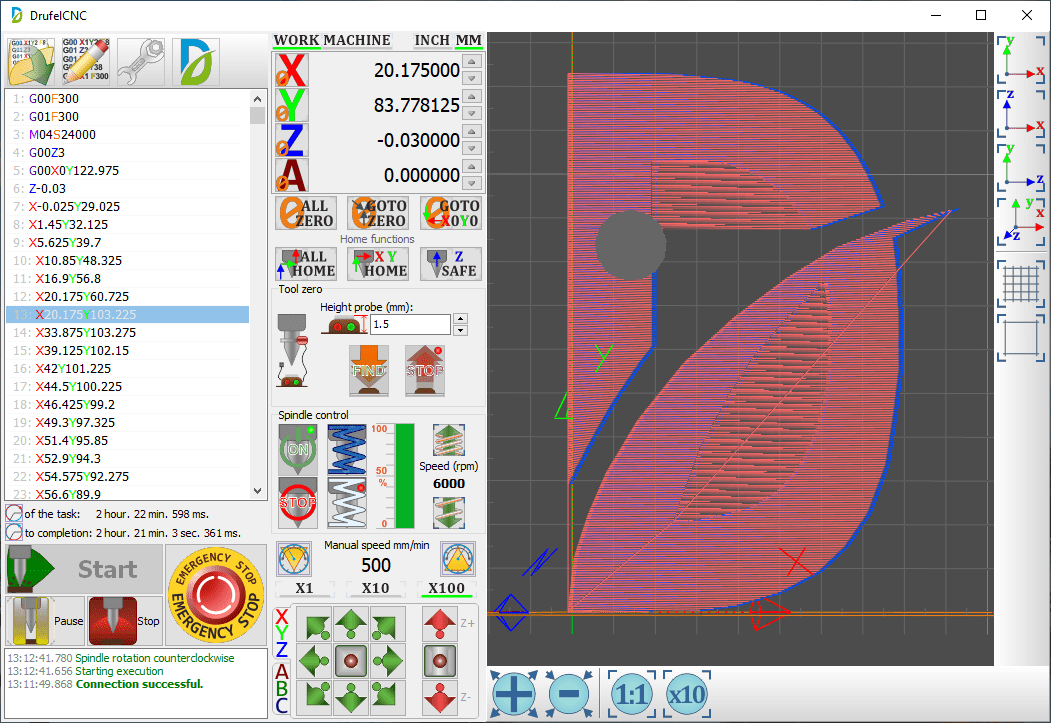
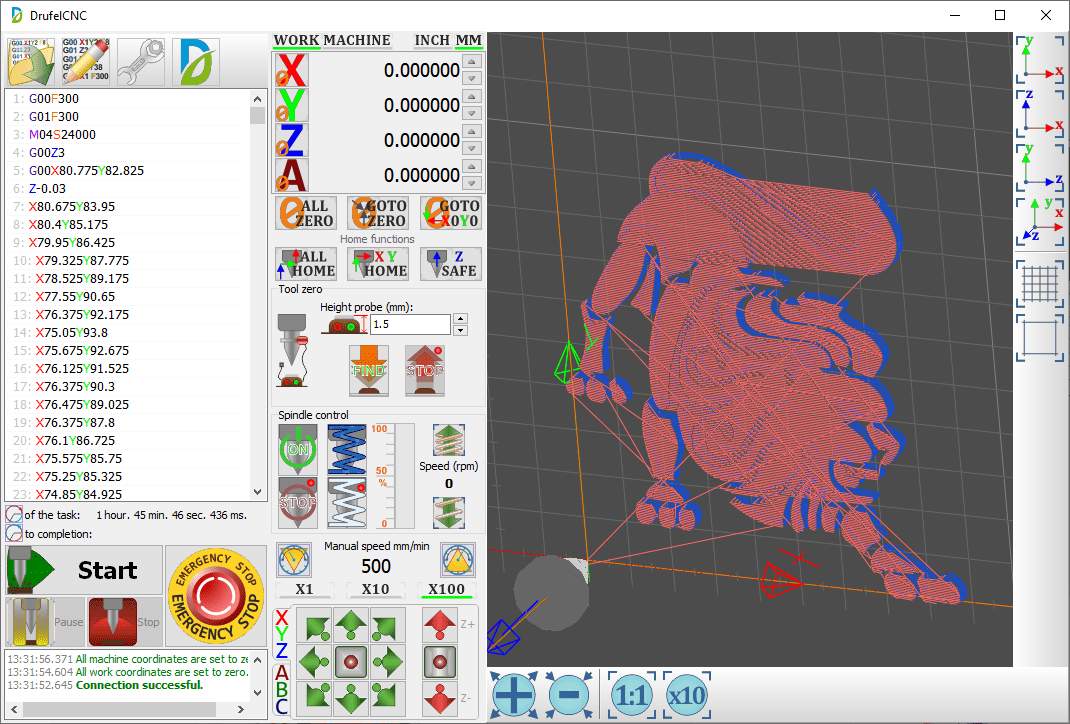
Main window
Main window 3D model
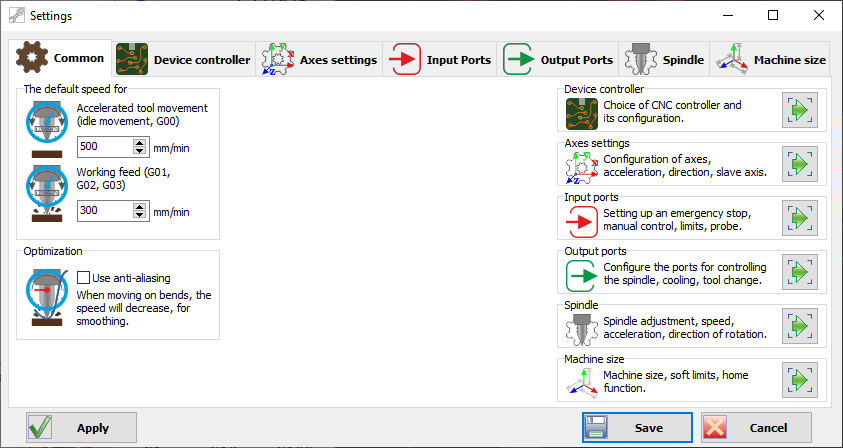
Common settings
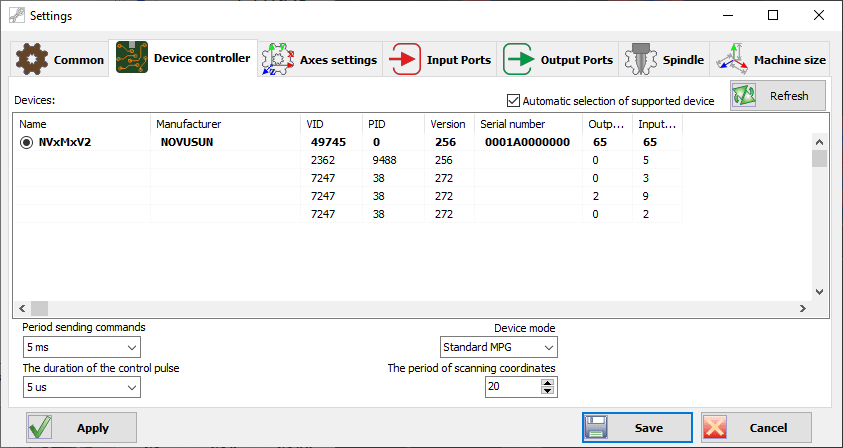
Controllers settings
Axes settings
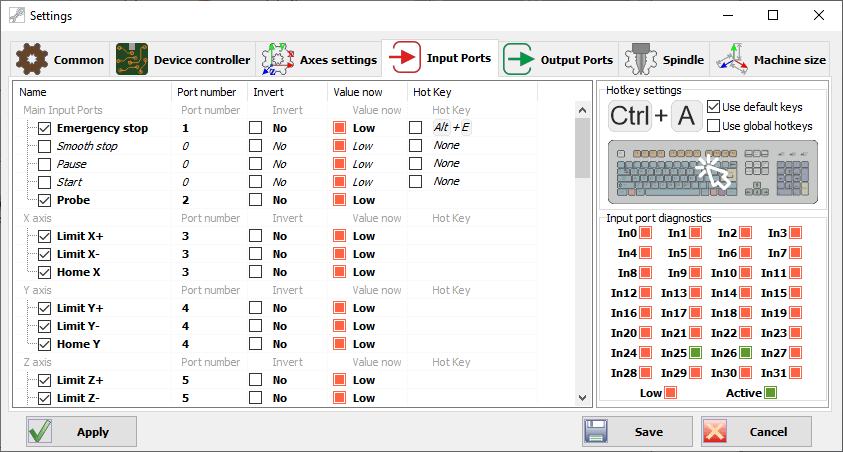
Input ports
Output ports
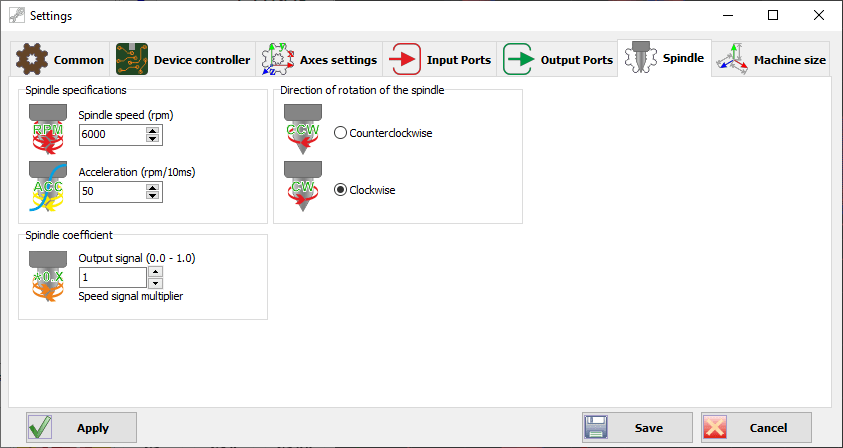
Spindle
Machine size
Manual control ABC
Tool zero
View the XY plane in 3D
View the XZ plane in 3D
View the ZY plane in 3D
View in 3D
By splitting the narrative into multiple parts, the production allows for a more detailed exploration of the character's journey and the building of suspense.
In the realm of digital storytelling, themes of infidelity and the breakdown of domestic trust serve as a frequent foundation for dramatic exploration. The "Unfaithful" series, specifically the segments featuring performers like Penny Barber, utilizes these themes to create stories centered on emotional conflict and the consequences of hidden lives. The Narrative Structure of "Unfaithful"
The series is designed as a character study within the "domestic noir" subgenre. It explores the psychological landscape of a relationship under strain. Part 1 typically establishes the status quo of the characters' lives, introducing the elements of doubt and the initial catalysts that lead to the central conflict. This "slow-burn" approach is intended to build tension by focusing on the secrets kept between partners. Character Portrayal and Professional Background
Emphasis is placed on the nuances of character interaction and the delivery of dialogue that reflects the internal struggle of a protagonist caught between two worlds. Elements of the Production
Penny Barber is often recognized for bringing a mature and grounded presence to dramatic roles. In productions like the "Unfaithful" series, the focus is placed on the ability to project a range of complex emotions.
The release on June 17, 2023, is noted within its genre for the way it balances the expectations of its audience with a focused narrative arc. For those following the career of Penny Barber, such installments are viewed as significant entries that showcase her specific style and the evolution of the "Unfaithful" storyline.
The universal nature of trust and betrayal makes these storylines accessible and engaging for audiences interested in relationship-driven drama. The Role of Performance in Digital Media
The use of lighting and specific settings helps to mirror the internal state of the characters, moving from the brightness of public life to the shadows of private encounters.
By splitting the narrative into multiple parts, the production allows for a more detailed exploration of the character's journey and the building of suspense.
In the realm of digital storytelling, themes of infidelity and the breakdown of domestic trust serve as a frequent foundation for dramatic exploration. The "Unfaithful" series, specifically the segments featuring performers like Penny Barber, utilizes these themes to create stories centered on emotional conflict and the consequences of hidden lives. The Narrative Structure of "Unfaithful"
The series is designed as a character study within the "domestic noir" subgenre. It explores the psychological landscape of a relationship under strain. Part 1 typically establishes the status quo of the characters' lives, introducing the elements of doubt and the initial catalysts that lead to the central conflict. This "slow-burn" approach is intended to build tension by focusing on the secrets kept between partners. Character Portrayal and Professional Background
Emphasis is placed on the nuances of character interaction and the delivery of dialogue that reflects the internal struggle of a protagonist caught between two worlds. Elements of the Production
Penny Barber is often recognized for bringing a mature and grounded presence to dramatic roles. In productions like the "Unfaithful" series, the focus is placed on the ability to project a range of complex emotions.
The release on June 17, 2023, is noted within its genre for the way it balances the expectations of its audience with a focused narrative arc. For those following the career of Penny Barber, such installments are viewed as significant entries that showcase her specific style and the evolution of the "Unfaithful" storyline.
The universal nature of trust and betrayal makes these storylines accessible and engaging for audiences interested in relationship-driven drama. The Role of Performance in Digital Media
The use of lighting and specific settings helps to mirror the internal state of the characters, moving from the brightness of public life to the shadows of private encounters.


%!s(int=2026) © %!d(string=Emerald Junction)
 DrufelCNC Installer 32-bit










 5 000 lines of G-code
 No technical support